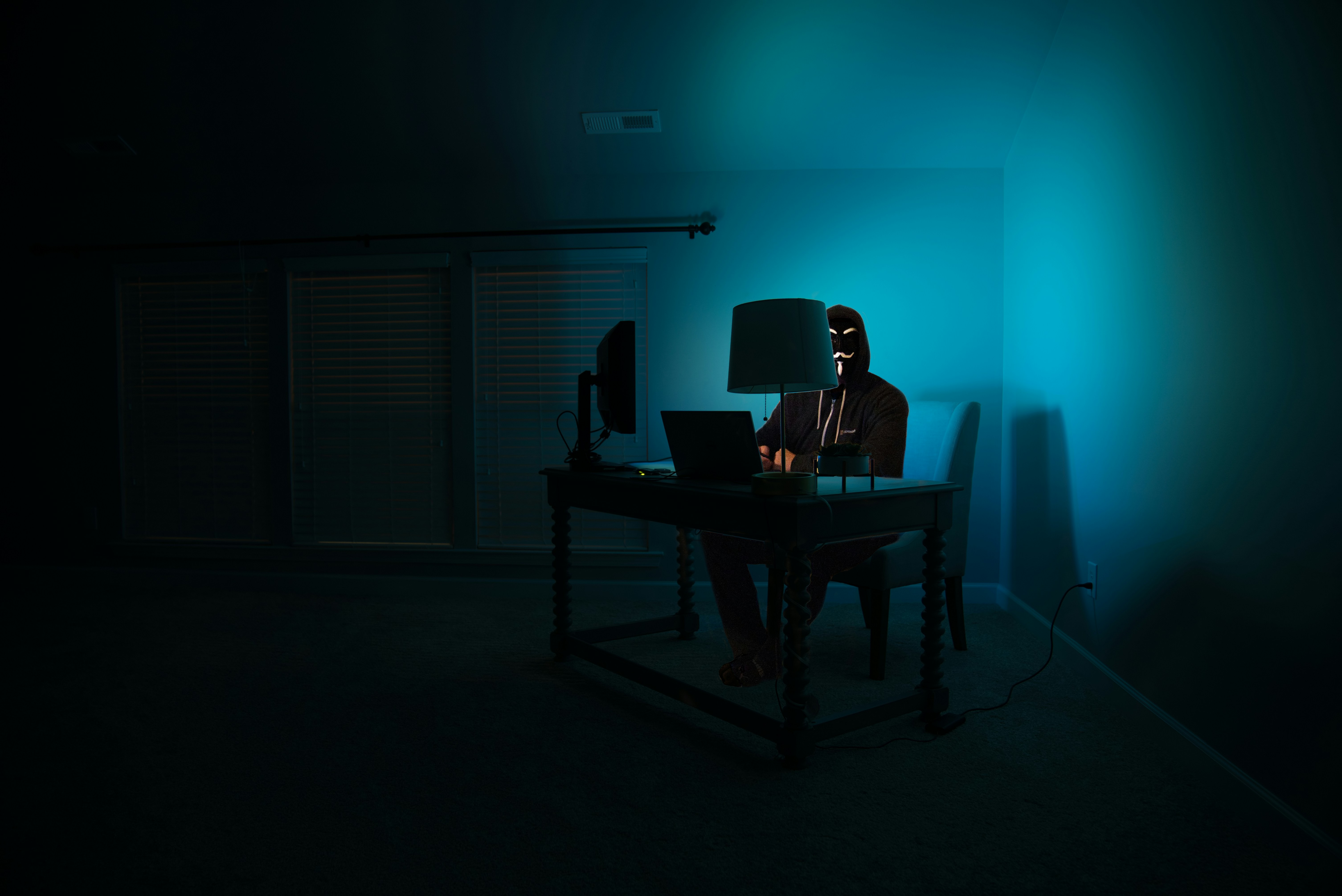
What is interview fraud
Interview fraud has gotten a lot harder to catch.
For most of hiring history, fraud meant a padded resume or an embellished job title. The interview itself was the gut check — you met the person, made a call, moved on.
Remote hiring changed that. When every interview is a video call, you're not meeting someone. You're trusting a face on a screen and a voice on a speaker. That's a fundamentally different transaction — and fraudsters figured it out fast.
Today, candidate identity fraud covers a range of tactics that all share one goal: getting someone into your organization under false pretenses.
01
Proxy Interviews
Someone applies with real or stolen credentials, then puts a more qualified stand-in on the call. You hire based on the interview. The person who shows up on day one has never spoken to you.
02
Identity Impersonation
A candidate uses someone else's name, background, or work history — sometimes with convincing fake documentation. The credentials check out. The person behind them doesn't.
03
Credential Fraud
The person is real, the resume isn't. Fake degrees, fabricated past roles, and invented certifications are easy to construct and hard to catch in a standard interview loop.
04
AI-Assisted Impersonation
Emerging
Emerging rapidly. Voice synthesis, real-time face filtering, and AI-generated interview responses are lowering the barrier to fraud that was previously too technical for most bad actors.
Real Incident · May 2024
The U.S. Department of Justice revealed that over 300 American companies had unknowingly hired IT workers with direct ties to North Korea — operatives using stolen identities, proxy interviewers, and fraudulent documentation to access sensitive systems and funnel salaries to a foreign regime.
The common thread: by the time you find out, you've already made the hire. The onboarding has happened. The access has been granted.
Source →
FBI Advisory
The FBI issued a formal public advisory warning hiring teams about the use of stolen identities and AI-assisted impersonation in remote job interviews — specifically targeting IT and software roles with access to sensitive company data.
Read the FBI advisory (IC3) →
How to prevent it
How to verify a candidate's identity before the interview starts.
Background checks confirm what someone has done. References confirm how they worked. Neither confirms who they actually are. For remote roles, that gap is where fraud happens — and it needs its own step in your process.
Manual ID check on camera
Ask candidates to hold up a government-issued ID at the start of the call and confirm it matches the person in front of you. It's a deterrent, but it's inconsistent, easy to game with a printed photo, and creates an awkward moment at the start of an interview you want to go well.
Cross-reference professional profiles
Before the interview, check that LinkedIn profiles are established and internally consistent, that email domains match application details, and that there are no signs of a recently constructed digital footprint. This catches some fraudsters — not the ones willing to invest in a convincing identity.
Structured live problem-solving
Use questions that require real-time, specific answers rather than anything that can be scripted or fed through an earpiece. Panel interviews add another layer. These help evaluate fit — but they still don't confirm who you're actually talking to.
Purpose-built identity verification before the call
Before the interview ever starts, send the candidate our smart identity verification link. The moment they open it, we begin collecting passive risk signals before verification even begins. Then they confirm their identity against a government-issued ID using biometric matching and deepfake detection. The whole thing takes under two minutes. You get a clear pass or flag before the call starts, with no awkward on-camera ID checks and no guesswork on day one.
See how it works →
Whatever approach you use, the key is moving verification before the interview — not during it, and not after you've extended an offer. Once you've invested hours in a candidate, the pull to continue is real. Front-loading identity verification removes that pressure entirely.
Get Started
The next person you interview
shouldn't be a question mark.
Set up your account in minutes. No subscription, no per-seat pricing — just $5 per verification, charged only when a result is returned.
Create your free account →
$5 per verification · No subscription · No per-seat pricing